1 / 2
Brook
by Charlie Cooper · Seattle, WA

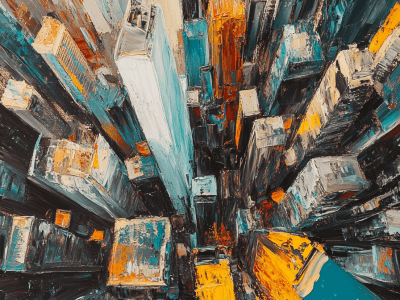
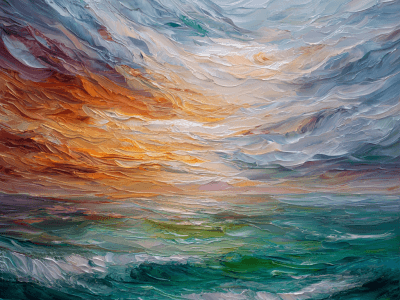
Charlie Cooper is a painter working in oil and acrylic, mostly at the scale of a single window. Water is the recurring subject — the Salish Sea, the channels north of Seattle, the brackish creeks that run behind houses and under roads — though the work has never been especially interested in being a picture of a place. The paintings are built with a knife more often than a brush, in layers thick enough to cast their own shadow. It is a slow and largely unforgiving method: a passage that fails has to be scraped back to the linen rather than painted over. What tends to survive the scraping is the part that was observed rather than remembered, which is most of the reason for working this way. Self-taught, and working outside the gallery system for the better part of two decades, Cooper came to painting after years of reading water for practical rather than pictorial reasons. That history shows up less as subject matter than as an impatience with the picturesque. The sea in these paintings is rarely calm and never decorative. Cooper lives and works in Seattle, Washington, in a studio with north light and a view of the ship canal. Recent work has moved toward larger formats and a narrower palette.
View full profile →